
About
Climate Friendly Travel
Resources
Contact
Geoffrey Lipman, SUNx Co-founder info@joomla.africastaging.com
+32495250789




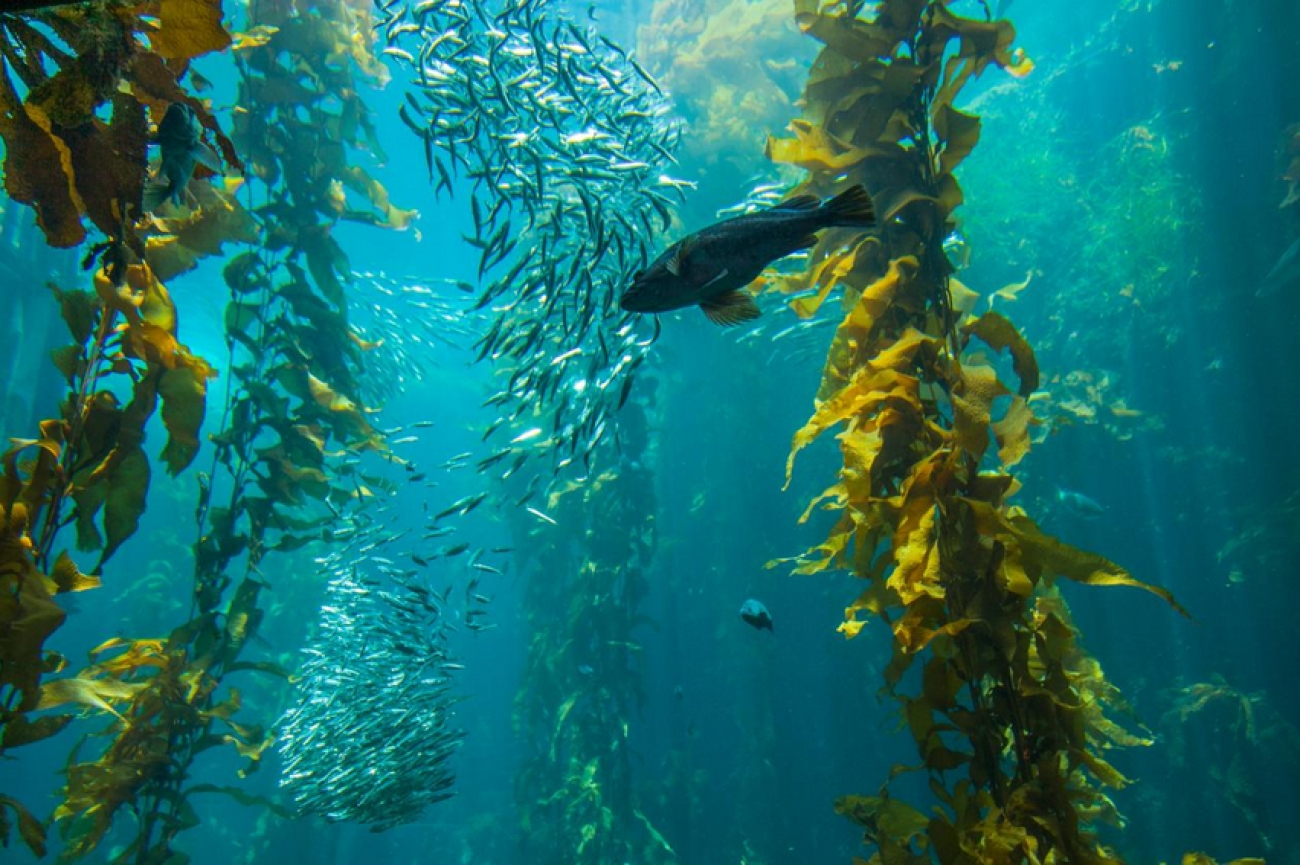
Kelp has long been used as a term to describe just over 100 species of large brown algae seaweeds that represent some of the most productive and diverse habitats on Earth.
From providing nursery habitats and foraging grounds for a wide range of marine organisms, to critically contributing to a sense of identity for Indigenous and coastal peoples that have used it for generations as medicine, food and material, kelp is of vital importance to the planet and to people.
Evidence as to the importance of kelp globally is mounting with new research estimating that kelp forests generate approximately $500 billion annually in ecosystem services, such as capturing carbon and removing nutrient pollution such as nitrogen and phosphorous from the water column.
The same research also highlights the importance of kelp forests in providing habitat for valuable fish and seafood species that supports local economies and jobs, all while protecting biodiversity. However, over the last 50 years, climate change, poor water quality and overfishing have damaged 40% to 60% of kelp forests, threatening these ecosystems and the benefits they provide.
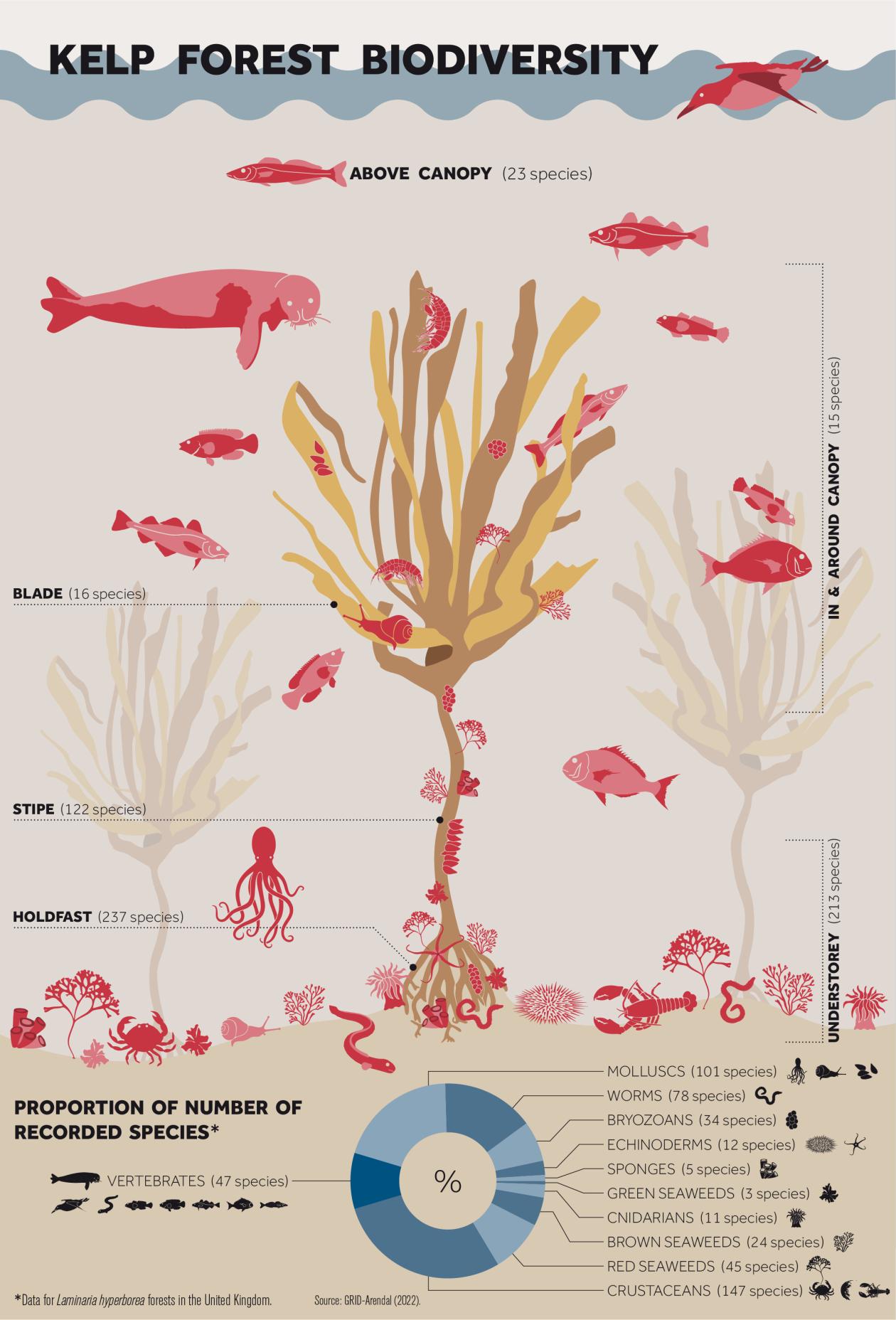
Kelp provides a wide range of vital services to people in the following ways : Biodiversity hubs, Food security, Economic impact, Cultural impact, Coastal Protection, Aleviation of Ocean Acidification, Carbon Storage
Read the rest of the webpage from WRI here
Read the UNEP Report Into the Blue: Securing a Sustainable Future for Kelp Forests here
About
Climate Friendly Travel
Resources
Contact
Geoffrey Lipman, SUNx Co-founder info@joomla.africastaging.com
+32495250789


